For specialty coffee
Brew it.
Explore it.
Bloom-focused V60 · 15 gTime-lapse 5×
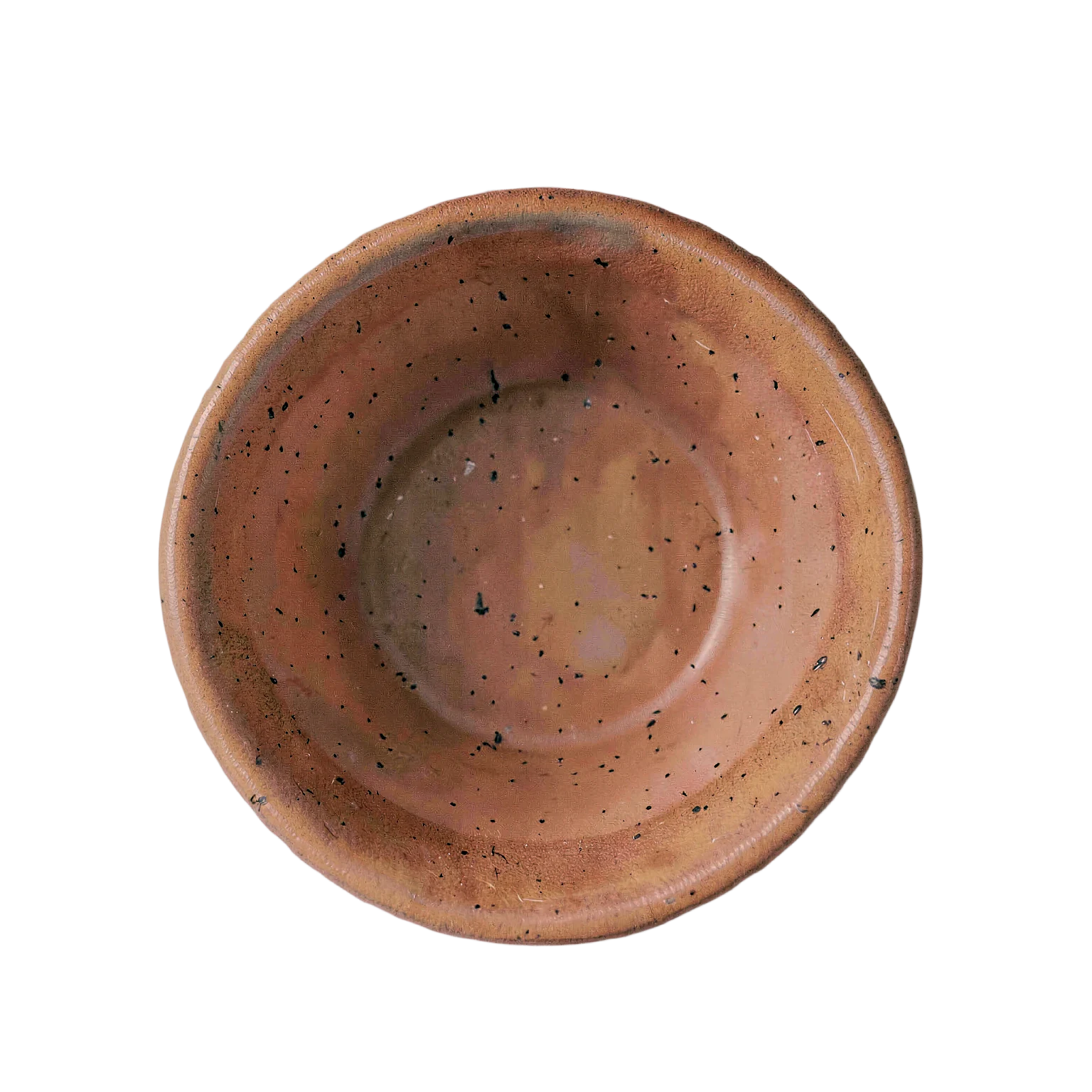
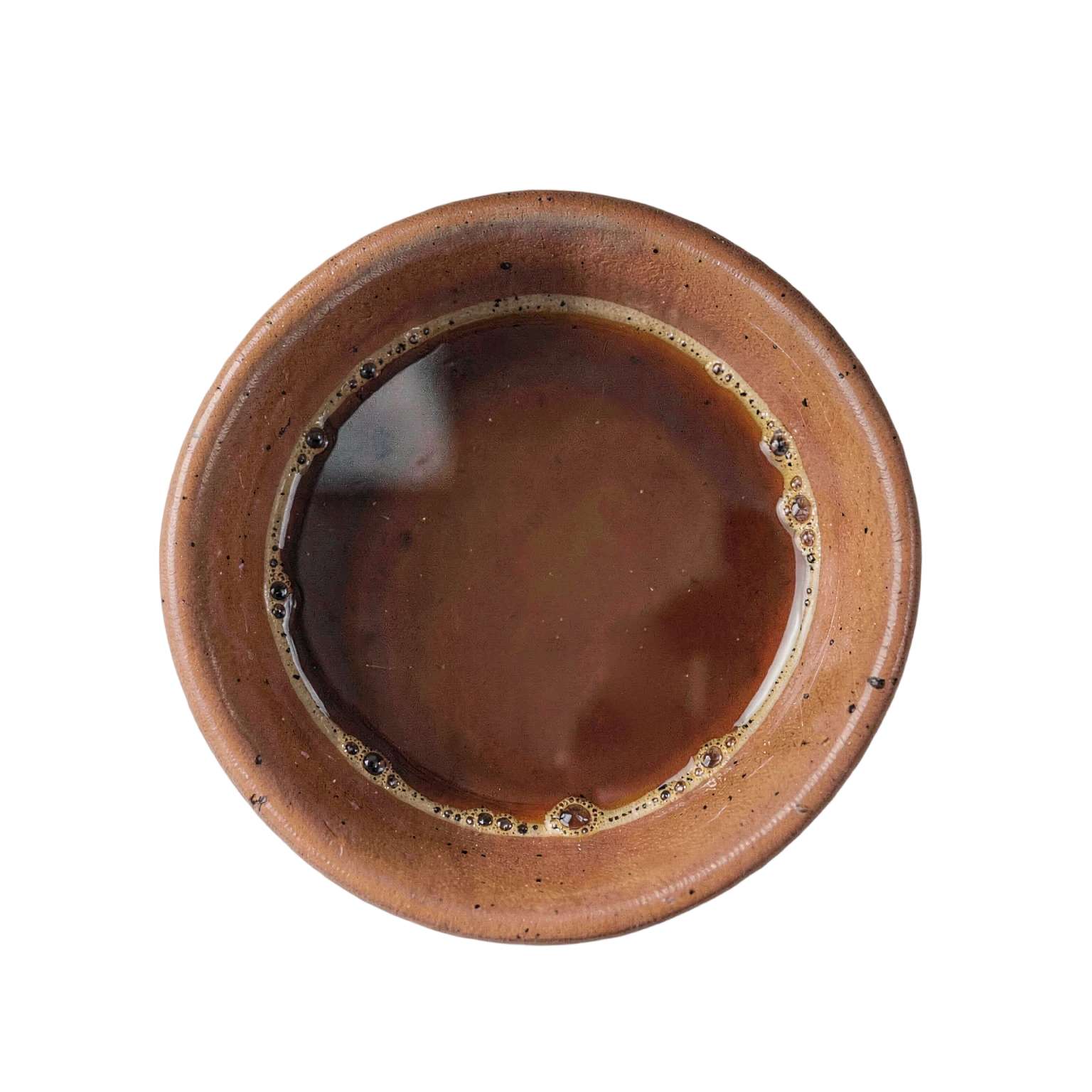
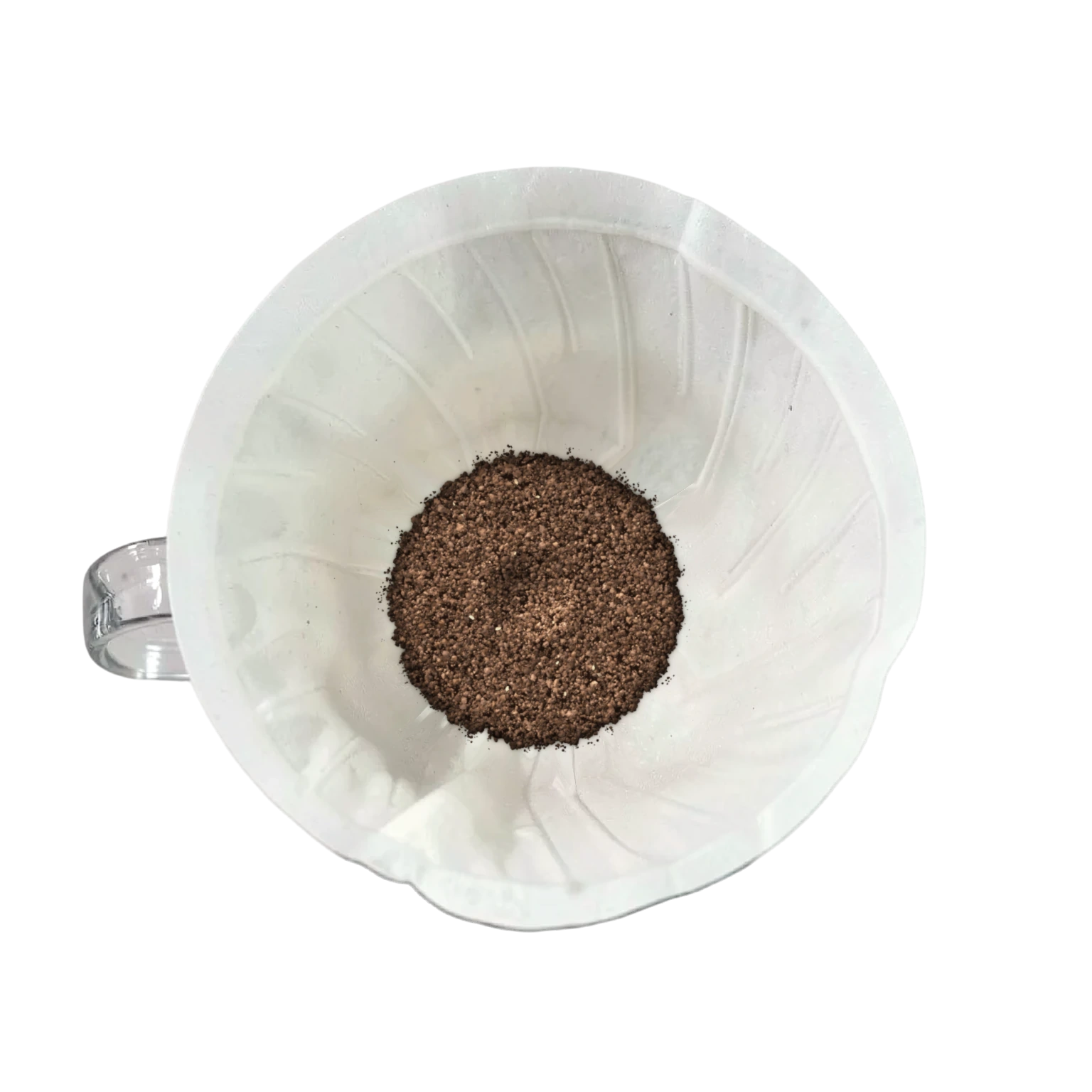
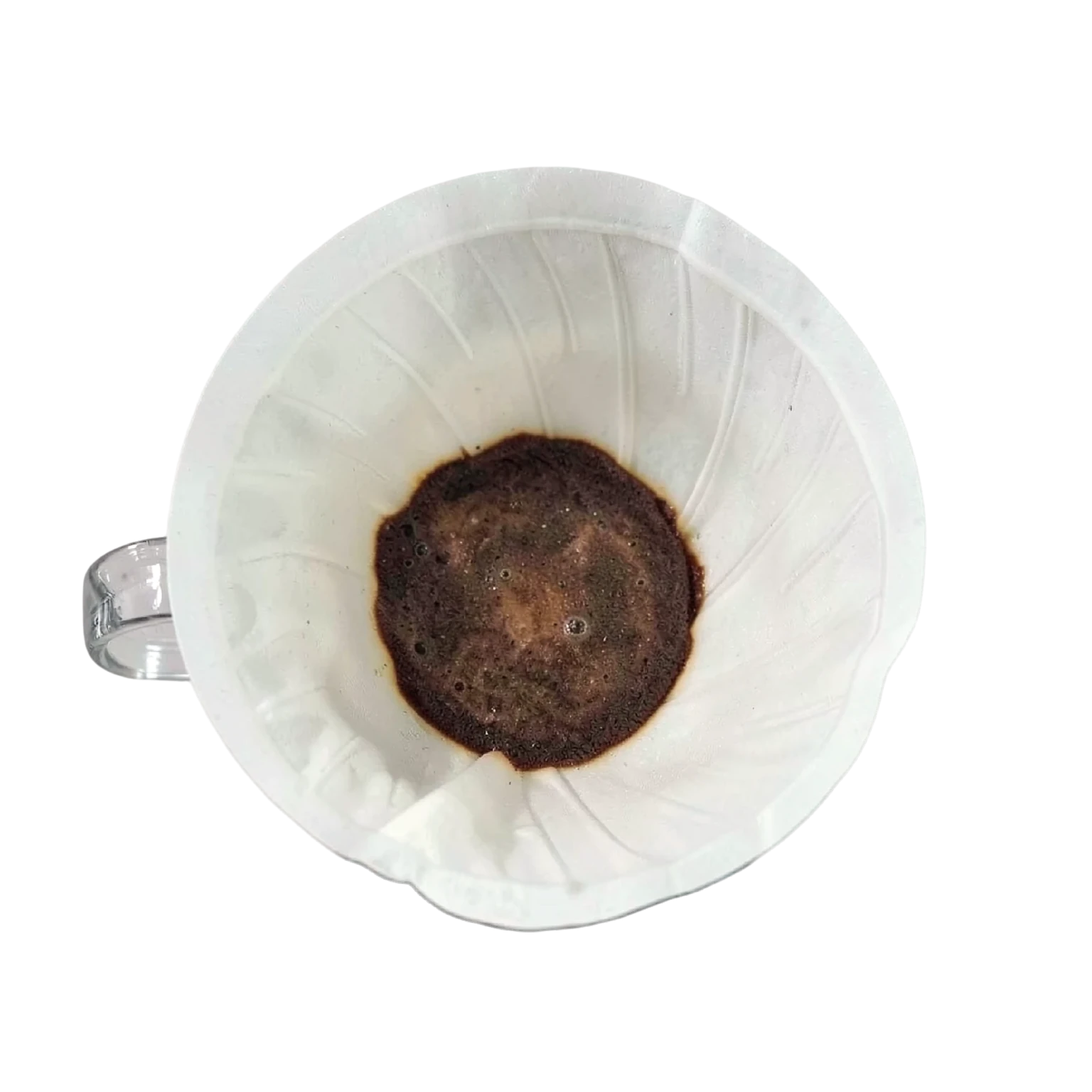
The V60 is still on the cup. This is what drips through.
- 1BloomPour to 30 g and let the grounds bloom for 30 seconds.30 g
- 2PourPour steadily up to 150 g.150 g
- 3PourPour up to 250 g. That is the last pour.250 g
- 4DrawdownLet the bed draw down fully.1:00
Done. How was the cup?
Tap the V60 and brew along. Every step has a target, and at the end a note tells you what to change on your next brew.
Free in Solo mode · CSV and JSON export · English and German
The loop
Every cup writes the next one.
Green coffee, roast and bag happen once per bag, in a straight line. Recipe, cup, note and correction come round on every brew, because the correction leads back to the recipe.
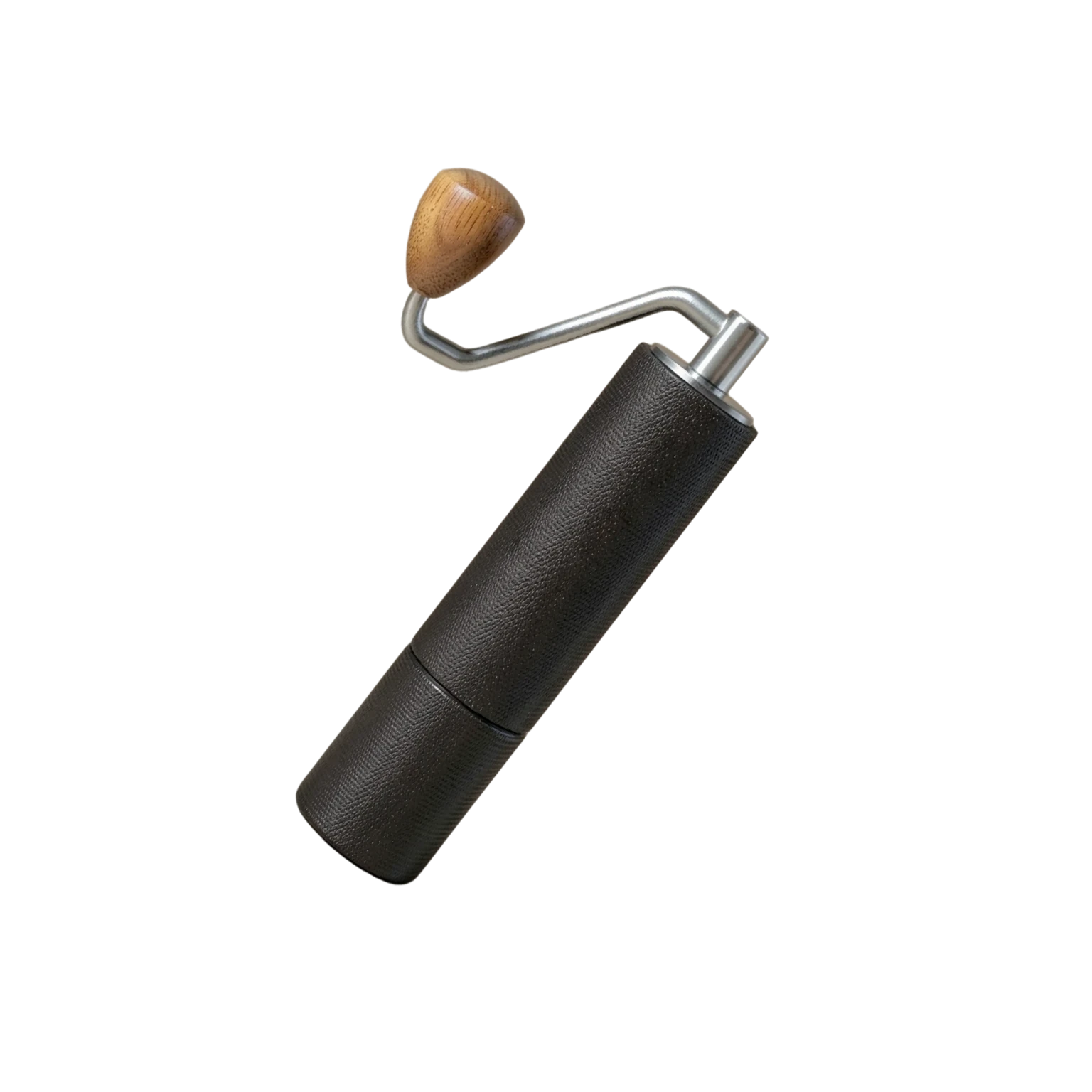
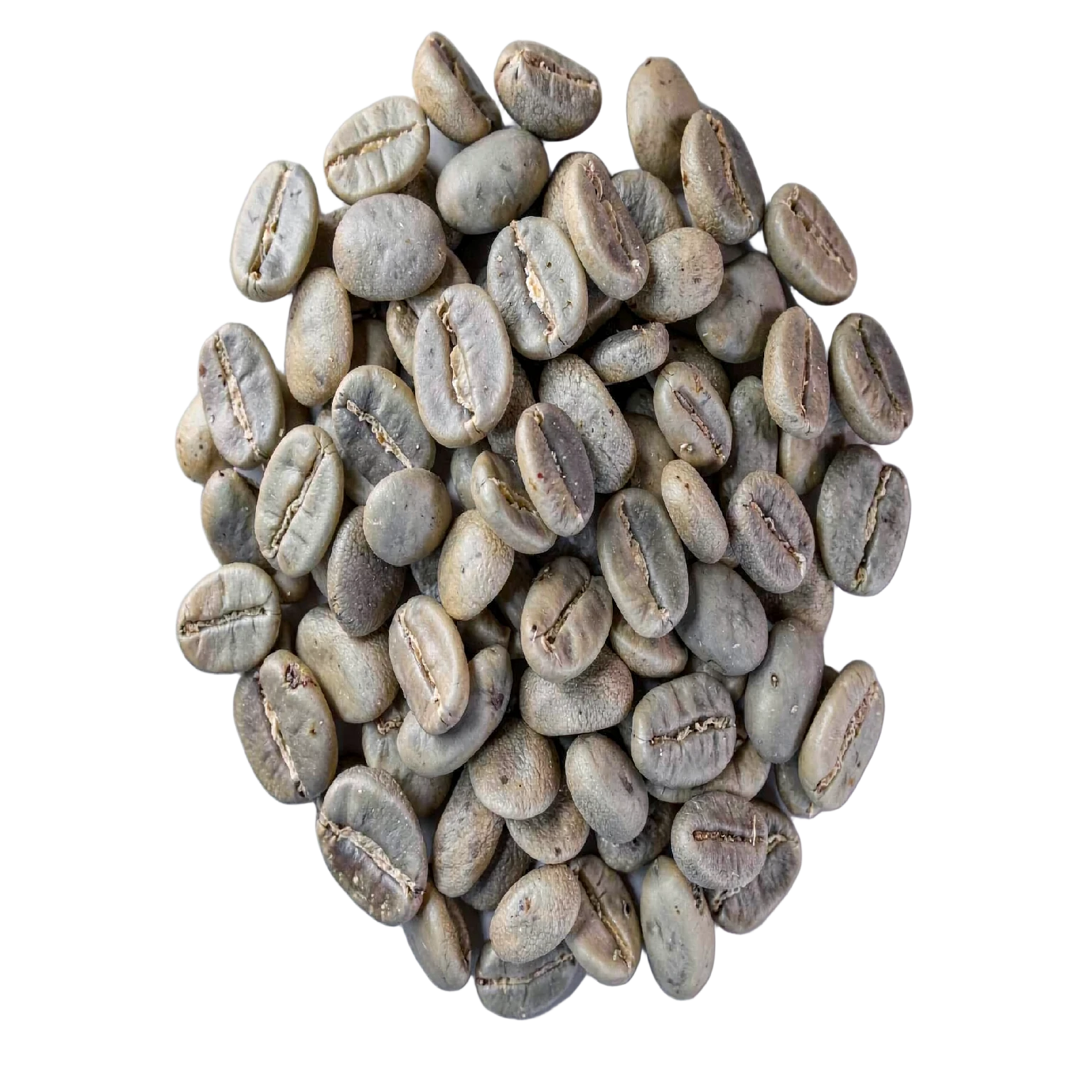
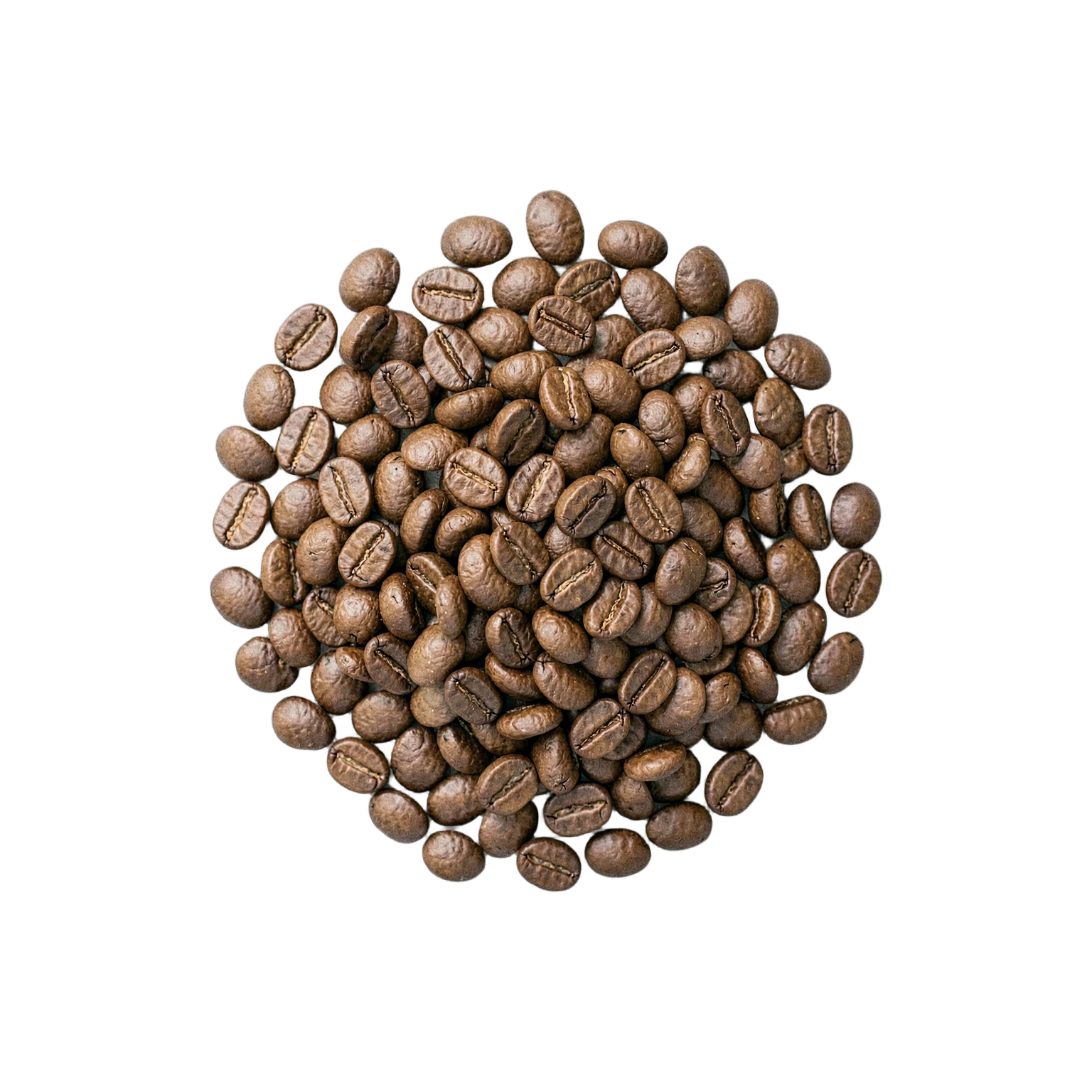
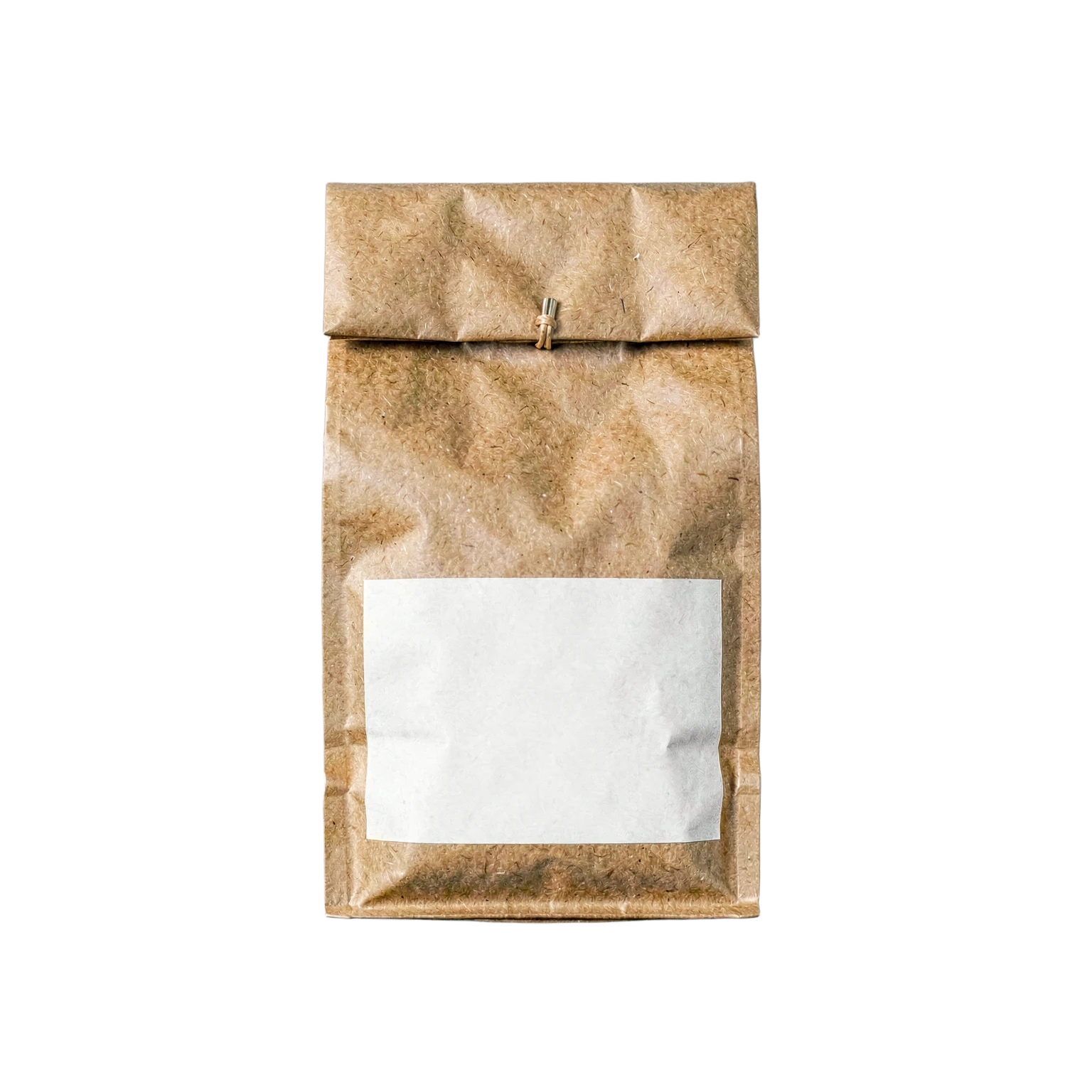
01 · Green coffee
The bean is the centre.
Yirgacheffe from Gedeb in Ethiopia, natural process. Every brew, every recipe and every roast is tied to it, so later you know where a good cup came from.
ETHIOPIA · GEDEB · NATURAL
02 · Roast
The roast stays with the bean.
Light, for filter. Whether the roastery roasted it or you did: the roast level sits with the bean, the roast date on every bag, and not in your head.
LIGHT · FILTER
03 · Bag
The bag keeps count.
250 g, open for 8 days. Every brew subtracts its dose, and the bag tells you how long it will last.
130 OF 250 g LEFT · ENOUGH FOR 8 BREWS
04 · Recipe
The recipe gives every step a target.
15 g coffee, 250 g water, 94 °C. Bloom, two pours, drawdown: four steps, each with a target.
15 g COFFEE · 250 g WATER · 94 °C
05 · Cup
The ring leads, you pour.
Step by step, with the target large under the ring. At the end, the time is locked in and the cup is in front of you.
PLAN 2:30 · 4 STEPS
06 · Note
The note reads the cup.
One axis from sour to bitter, and your cup sits on it. Add one line in your own words; that is all it takes.
SLIGHTLY SOUR · BERRY, BRIGHT
07 · Correction
The correction closes the loop.
Bunchum names the one change you carry forward: grind one step finer. One lever at a time, and the next brew starts at the recipe again.
NEXT TIME: ONE STEP FINER
The bag
It knows more than its label says.
The front carries what the roastery prints. On the back, Bunchum records what happens to this bag: every brew takes its 15 g, and the back knows what is left.
Do the maths
How much water does your dose need?
For filter coffee, a good starting point lies between 1:15 and 1:18, coffee to water. Set your dose, and the rest follows.
Ratio calculator
Like the recipe above: 250 g of water to 15 g of coffee.
Rule of thumb for filter: ground coffee holds back about twice its own weight in water. Espresso uses different ratios.
In the app
After the brew, you know what to change.
This is how a brew ends in Bunchum: the cup sits on an axis from sour to bitter, your line beside it, and below them the one change and the recipe for next time.
- 01
One axis instead of a form.
Sour, on target or bitter: one tap, and your cup sits on it. You write the line beside it in your own words.
- 02
One change, not five.
Bunchum names the one lever for the next brew. That way you know what changed the cup.
- 03
The next recipe is already waiting.
The next brew starts with the correction built in, on the same bean, from the same bag.
YOUR NUMBERS · 15 g COFFEE TO 250 g WATER · AS IN THE RECIPE
Be there when Bunchum opens.
In Bunchum, what you worked out becomes a recipe that remembers how the cup tasted. Leave your email address, and you will hear from us as soon as it opens.